Table of Contents
Yemen: Unveiling the Sky-High Secrets of Ancient Arabia Felix
Nestled at the crossroads of ancient trade routes, Yemen, once known as Arabia Felix – “Happy Arabia” – is a land steeped in legend, towering architecture, and unparalleled natural beauty. For centuries, its name has evoked images of formidable mountains, historic cities built like sandcastles, and a culture as rich and intricate as the patterns on its famous daggers. While recent history has shrouded this jewel, 2025 marks a hopeful turning point, inviting the adventurous traveler to rediscover its profound mystique.
This isn’t just another travel destination; it’s an immersive journey into the heart of ancient civilization, a place where multi-story mud-brick skyscrapers touch the clouds and millennia-old traditions thrive. As we delve into this Yemen travel guide 2025, prepare to uncover not only the country’s breathtaking wonders but also the unique opportunities awaiting those ready to explore its sky-high secrets.
Why Yemen Now? A New Horizon for Travelers in 2025
The allure of travel lies in discovery, and for the discerning adventurer, Yemen in 2025 presents an unprecedented opportunity. After years of isolation, the nation is cautiously reopening, implementing initiatives designed to welcome back visitors and share its unique heritage with the world. This is your chance to be among the first to witness its resurgence, experiencing a destination that promises profound cultural learning and unforgettable adventure before it becomes widely known.
Crucially, as of 2025, several significant updates are enhancing accessibility and encouraging tourism:
- Visa Exemption for Tourists: In a landmark move, Yemen has introduced a visa exemption program, allowing tourists from many nations to enter for up to 60 days without a visa. This greatly simplifies the planning process, removing a significant barrier that previously deterred potential visitors.
- Free Domestic Flight Tickets: To encourage exploration beyond primary entry points and stimulate local economies, the Yemeni government and its tourism partners have launched an initiative offering up to 200,000 free domestic flight tickets for international visitors. This incredible offer allows travelers to traverse the country’s diverse landscapes, from the highlands to the coast, with unprecedented ease and affordability. Imagine soaring over ancient cities and dramatic mountain ranges without the added cost, connecting deeply with various regions of this extraordinary land.
These progressive steps signal a new era for Yemeni tourism, making it an incredibly timely destination for those seeking a truly unique and transformative travel experience.
Unearthing Yemen’s Timeless Treasures: The Best Places in Yemen
The epithet “Arabia Felix” wasn’t given lightly. Yemen’s landscape is a canvas of dramatic contrasts – fertile wadis, parched deserts, and towering mountain ranges that cradle some of the world’s most astonishing architectural marvels. Exploring these sites is more than sightseeing; it’s a journey into history that enriches your understanding of human ingenuity and resilience.
1. Sana’a Old City: A UNESCO Masterpiece in the Clouds
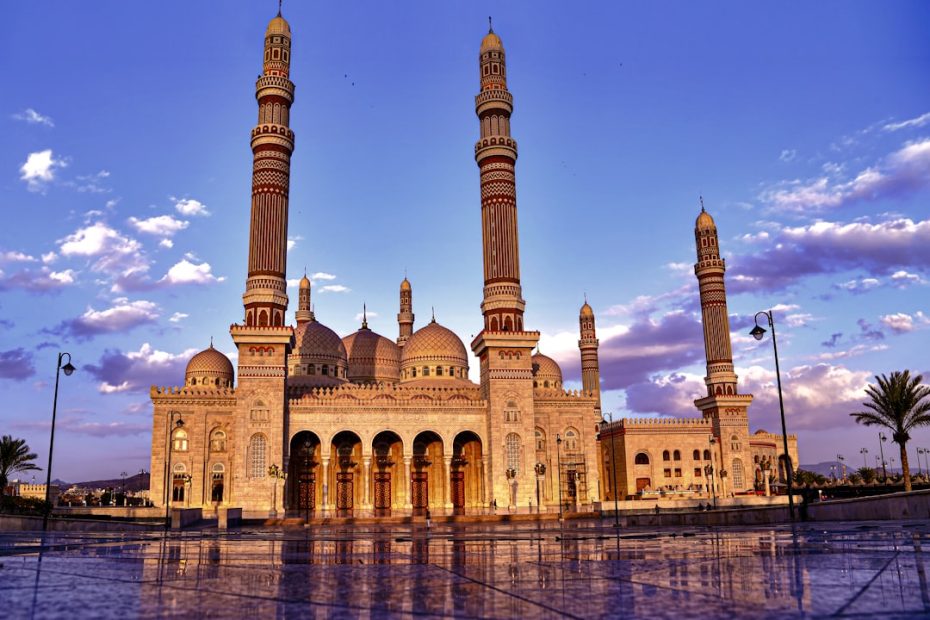
No visit to Yemen is complete without immersing yourself in the ancient capital, Sana’a. A UNESCO World Heritage site, its Old City is a living museum of multi-story mud-brick houses, some reaching seven stories high, adorned with intricate geometric patterns and white plaster frescoes. Walking its labyrinthine alleyways is like stepping back in time. The air hums with the calls of vendors in the bustling souks, where you can find everything from fragrant spices to antique silver. The sheer scale and beauty of Sana’a’s architecture offer unparalleled cultural learning, allowing you to witness a way of life that has persisted for centuries.
2. Shibam: The “Manhattan of the Desert”
In the heart of the Hadramawt Valley stands Shibam, another UNESCO site, famously dubbed the “Manhattan of the Desert.” This 16th-century walled city is renowned for its skyscraper-like mud-brick buildings, some reaching 11 stories tall, making it one of the oldest examples of vertical urban planning in the world. Viewing Shibam from a distance, especially at sunrise or sunset, is a truly surreal experience, a testament to ancient Yemeni engineering and a profound adventure into architectural history.
3. The Haraz Mountains: Terraced Landscapes and Traditional Villages
For those seeking adventure and breathtaking natural beauty, the Haraz Mountains are a must. Here, you’ll find an astonishing network of ancient terraced fields clinging to steep slopes, alongside traditional stone-built villages that seem to grow organically from the rock. This region is also famous for its coffee cultivation, continuing a tradition that once supplied the world. Hiking through these mountains offers not only spectacular views but also invaluable insights into sustainable ancient farming practices and the warm hospitality of the local communities. This is where you truly discover the “sky-high secrets” of Yemen, both literally and figuratively.
4. Wadi Hadramawt: Desert Palaces and Ancient Trade Hubs
Beyond Shibam, the vast Wadi Hadramawt region boasts numerous historical towns and mud-brick palaces that once served as crucial stops on the incense trade route. Seiyun and Tarim, with their distinct architectural styles and vibrant markets, offer glimpses into the rich mercantile history and spiritual heritage of Yemen.
5. Socotra Island: A Biodiversity Hotspot (A Special Mention)
While geographically distinct and requiring separate travel planning, Socotra Island, often called the “Galapagos of the Indian Ocean,” is part of Yemen. Famous for its unique dragon’s blood trees and other endemic flora and fauna, it’s a world apart, offering an unparalleled nature adventure for future specialized expeditions.
The Enduring Spirit: Yemeni Culture & Hospitality
Beyond its stunning landscapes and ancient structures, Yemen’s true magic lies in its people and their enduring culture. Yemeni hospitality is legendary – a deep-rooted tradition where guests are treated with immense warmth and generosity. Sharing a meal of saltah (a rich stew) or mandi (fragrant rice and meat) in a local home is not just about food; it’s about connection, storytelling, and an exchange that transcends language barriers.
The country’s rich artistic heritage is evident in its intricate silver jewelry, vibrant textiles, and the rhythmic melodies of traditional music. Engaging with this culture fosters significant cultural learning, broadening your worldview and reminding you of the profound beauty of human connection. Such genuine interactions are not only memorable but also contribute positively to mental health, offering a sense of belonging and discovery that combats the stresses of modern life.
Navigating Your Yemeni Journey: Essential Tips for 2025
While the prospect of rediscovering Yemen is exhilarating, responsible and informed travel is paramount. Here are essential tips for planning your trip in 2025:
- Safety Advisories: While specific regions are opening up for tourism, it is crucial to remain vigilant and prioritize safety. Strictly adhere to official government travel advisories from your home country. Many border areas, particularly with Saudi Arabia and active conflict zones, remain highly dangerous and are strictly off-limits to tourists. Always consult with reputable, licensed local Yemeni tour operators who have up-to-date knowledge of safe travel corridors and logistics. They are indispensable for navigating the country securely.
- Local Tour Operators: It is highly recommended to travel with an experienced local tour operator. They provide not only essential security and logistical support but also invaluable cultural insights, acting as bridges between visitors and local communities.
- Leveraging Free Flights: Enquire with your chosen tour operator about how to access and utilize the free domestic flight tickets. They will likely be instrumental in booking these for you, ensuring seamless internal travel.
- Respect Local Customs: Yemen is a deeply conservative society. Dress modestly, especially women, covering shoulders and knees, and consider bringing a headscarf for visiting religious sites. Always ask permission before taking photos of people.
- Health and Insurance: Consult your doctor about necessary vaccinations. Ensure your travel insurance covers emergency evacuation and medical treatment in a remote and potentially challenging environment.
- Connectivity: While connectivity is improving, it may still be limited in remote areas. Prepare for moments of digital detox, embracing the present moment.
Beyond the Horizon: The Transformative Power of Travel
Traveling to a destination like Yemen offers more than just sightseeing; it’s a journey of personal growth. Stepping out of your comfort zone to explore ancient civilizations fosters a profound sense of adventure and accomplishment. The mental health improvements derived from such experiences are well-documented: a reduction in stress, enhanced creativity, and a broadened perspective on life’s challenges. You return home not just with souvenirs, but with a deeper understanding of the world and yourself.
Yemen in 2025 stands as an unparalleled opportunity for the bold, the curious, and the adventurous – a chance to connect with history, culture, and humanity in a way few other places on Earth can offer.
Embark on Your Arabian Felix Adventure!
The gates of ancient Arabia Felix are cautiously opening, revealing wonders that have captivated imaginations for millennia. With improved accessibility, unique travel incentives like visa exemptions and free domestic flights, and a clear focus on safety in designated tourist zones, 2025 is the year to answer the call of Yemen.
Are you ready to be among the first to rediscover the sky-high secrets and enduring spirit of this extraordinary land? Start planning your unparalleled Yemeni adventure today! Consult with trusted tour operators to unlock Yemen’s timeless treasures and embark on a journey that will forever change your perception of history, beauty, and human resilience.