Table of Contents
Ethiopia: Unearthing Ancient Wonders and the Soul of Coffee Culture (2026 Updates)
Ethiopia. The name itself conjures images of ancient kingdoms, breathtaking landscapes, and the birthplace of coffee. For the discerning traveler seeking a profound experience that transcends mere sightseeing, Ethiopia offers an unparalleled journey into humanity’s past and a vibrant present. This isn’t just a trip; it’s an immersion into history, culture, and the very soul of a continent. And with exciting Ethiopia travel guide 2026 updates, there’s never been a more opportune moment to unearth its treasures.
Travel, in its purest form, is a catalyst for personal growth. It challenges perceptions, broadens horizons, and offers profound benefits for mental well-being. From the sheer adventure of exploring rugged terrain to the quiet contemplation fostered by ancient sites, and the invaluable cultural learning gained through genuine connection, Ethiopia provides an ideal canvas for these transformative experiences.
The Lure of the Ancient: Ethiopia’s Timeless Tapestry
Ethiopia boasts an astonishing array of UNESCO World Heritage Sites, each telling a compelling story from its deep past. Venturing through these historic marvels is not just about witnessing relics; it’s about touching the very fabric of civilization, offering a unique form of cultural learning that history books can only hint at.
Axum: The Cradle of Ethiopian Civilization
Step back in time in Axum, once the heart of a powerful empire that rivaled Persia and Rome. Here, towering obelisks – monolithic stelae carved from single pieces of granite – stand testament to an advanced ancient civilization. Legend also places the Ark of the Covenant within Axum’s St. Mary of Zion Church, adding an air of profound mystery and spiritual significance. The sheer scale and artistry of these ancient monuments are a powerful reminder of human ingenuity and resilience, fostering a sense of awe that invigorates the mind.
Lalibela: The New Jerusalem Carved from Rock
No visit to Ethiopia is complete without experiencing the ethereal wonder of Lalibela. In the 12th century, King Lalibela commissioned the construction of 11 monolithic churches, not built from rock, but carved out of it. These architectural masterpieces, connected by intricate tunnels and trenches, are still active places of worship today. Walking through their hallowed halls, bathed in the soft glow of natural light, is a deeply spiritual and humbling experience, connecting you to centuries of unwavering faith and artistic dedication.
Gondar: Africa’s Camelot
Further north, Gondar, the 17th-century capital, presents a fascinating glimpse into Ethiopia’s imperial past with its collection of medieval castles and palaces. The Fasil Ghebbi royal enclosure, a UNESCO site, showcases a unique blend of African, Indian, and Baroque architectural styles. Exploring these “Camelot of Africa” ruins sparks the imagination, taking you on an adventure through the lives of emperors and empresses.
Harar Jugol: The Walled City of Saints
On the eastern edge of the Ethiopian highlands lies Harar, an ancient walled city often considered the fourth holiest city of Islam. Its labyrinthine alleys, vibrant markets, and over 99 mosques create a sensory feast. Harar is also famously home to the “hyena men,” who feed wild hyenas by hand outside the city walls each night – a truly unique and exhilarating cultural encounter that challenges preconceived notions.
The Aroma of Authenticity: The Soul of Coffee Culture
Ethiopia isn’t just a place where coffee grows; it’s where coffee began. The legend of Kaldi, the goat herder who discovered the stimulating properties of the coffee cherry, is etched into the national psyche. Coffee isn’t merely a beverage here; it’s a profound cultural ritual, a cornerstone of social life, and a sensory adventure that deepens your understanding of Ethiopian hospitality.
Participating in a traditional Ethiopian coffee ceremony is an essential experience. From the careful washing and roasting of green beans over charcoal, to the grinding, brewing in a jebena (clay pot), and serving with incense, each step is imbued with meaning. This slow, deliberate process encourages mindfulness and connection, a potent antidote to the fast pace of modern life, offering subtle mental health benefits through focused presence. Sharing three rounds of this potent brew with locals, discussing life and history, is one of the most enriching forms of cultural immersion you can encounter.
Beyond the Beaten Path: Adventure and Natural Wonders
For those seeking adventure and a deeper connection with nature, Ethiopia’s diverse landscapes offer unparalleled opportunities. Exploring these natural wonders provides not only physical exhilaration but also a profound sense of peace and mental clarity.
Simien Mountains National Park: The Roof of Africa
Nicknamed the “Roof of Africa,” the Simien Mountains are a spectacular UNESCO World Heritage Site, boasting dramatic peaks, deep valleys, and endemic wildlife like the Gelada baboon, Walia ibex, and Ethiopian wolf. Trekking through this majestic terrain offers incredible panoramic views, invigorating physical challenge, and a chance to disconnect from urban stressors, promoting significant mental well-being through direct engagement with nature. It is undoubtedly one of the best places in Ethiopia for nature lovers.
The Danakil Depression: An Otherworldly Landscape
For the truly intrepid, the Danakil Depression offers an extreme adventure into one of the hottest places on Earth. This geological marvel features vibrant sulfuric hot springs, vast salt flats, and the bubbling lava lake of Erta Ale volcano. It’s a stark, mesmerizing landscape that feels like another planet, pushing the boundaries of conventional travel and offering an unforgettable, if challenging, journey of discovery.
The Omo Valley: A Tapestry of Living Cultures
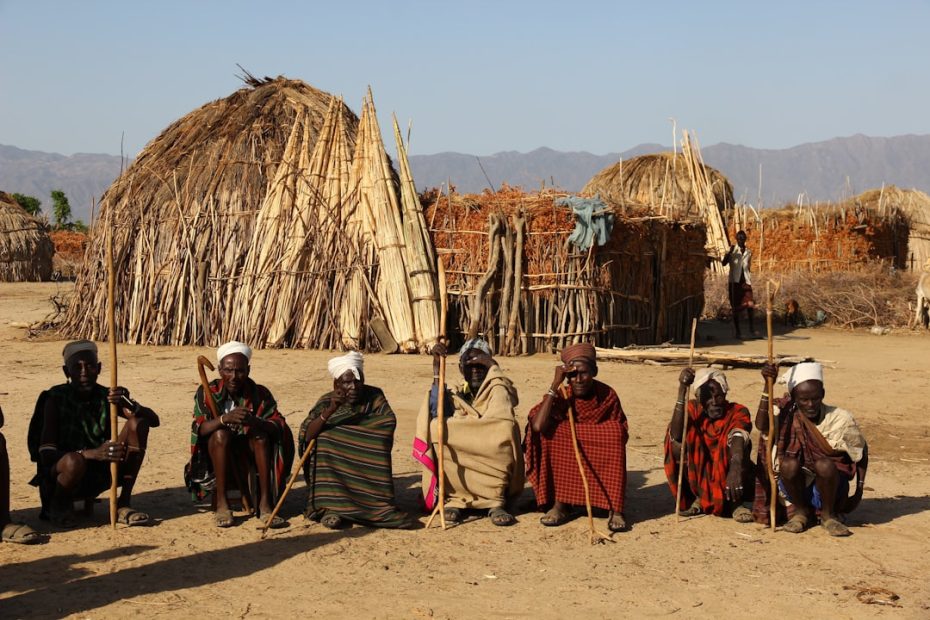
In southern Ethiopia, the remote Omo Valley is home to a fascinating array of indigenous tribes, each with distinct customs, languages, and adornments. Visiting these communities offers an extraordinary opportunity for responsible cultural exchange and learning, fostering a deep appreciation for human diversity. This region exemplifies the rich adventure of encountering living history.
Navigating Ethiopia in 2026: Essential Updates for Travelers
Ethiopia is actively working to make itself more accessible and attractive to international visitors. Here are crucial Ethiopia travel guide 2026 updates that make planning your trip easier and more rewarding than ever:
- Expanded Visa Exemptions: In a significant move to boost tourism, Ethiopia has introduced a new policy offering visa exemptions for tourists for up to 60 days. This streamlines entry for a wide range of nationalities, making spontaneous travel much more feasible. Always check the latest requirements for your specific nationality closer to your travel date, but this is a huge step forward.
- Free Domestic Flights Incentive: In an unprecedented initiative, the Ethiopian government, in collaboration with Ethiopian Airlines, is offering up to 200,000 free domestic flight tickets for international visitors. If you book your international flight to Ethiopia with Ethiopian Airlines, you may be eligible for complimentary domestic flights to connect you to destinations like Lalibela, Axum, Gondar, or Bahir Dar. This incredible offer dramatically reduces internal travel costs and allows you to explore more of the country’s diverse regions efficiently.
- Safety Advisories & Responsible Travel: While Ethiopia is generally safe for tourists, it is always wise to exercise caution, particularly in border regions. The government is actively working to ensure stability across the country, and major tourist routes are secure. However, always consult your national travel advisory services (e.g., U.S. State Department, UK FCDO) for the most up-to-date information regarding specific areas, especially when planning to visit regions near international borders. Local guidance and reputable tour operators are invaluable for navigating the country safely and responsibly.
- Health and Practicalities: Ensure you have up-to-date vaccinations (yellow fever is often required). Consult your doctor about anti-malarial medication for certain regions. Tap water is generally not safe to drink; stick to bottled water. The local currency is the Ethiopian Birr (ETB). While major cities have ATMs, it’s wise to carry some cash, especially in more rural areas.
Why Travel to Ethiopia Now?
Beyond the fascinating history and culture, traveling to Ethiopia in 2026 offers a unique convergence of factors. It’s a chance to experience a nation on the cusp of a tourism renaissance, benefiting from improved accessibility and infrastructure, while still retaining its profound authenticity. The benefits of travel – the mental refreshment from new experiences, the adventure of discovery, and the invaluable cultural insights – are amplified in a destination as rich and diverse as Ethiopia.
It’s an opportunity to journey through landscapes that range from alpine peaks to volcanic deserts, to connect with people whose traditions stretch back millennia, and to savor the very essence of coffee. This is a destination that will not only leave you with stunning photographs but also with a transformed perspective and a heart full of unforgettable memories.
Your Ethiopian Adventure Awaits!
Ethiopia offers a journey not just across a country, but through time and spirit. From the rock-hewn churches of Lalibela to the steaming coffee pots in a local home, every moment is an invitation to explore, learn, and grow. With the unprecedented travel incentives and streamlined entry in 2026, the opportunity to discover this extraordinary land is more accessible than ever before.
Don’t just dream about ancient wonders and authentic culture. Plan your Ethiopian adventure today! Explore the best places in Ethiopia, embrace the history, savor the coffee, and let this remarkable country etch itself into your soul.